Expert Advice for R32 Engine for Sale
Complete Guide: Key Things to Inspect Before Buying a New or Second-Hand R32 Engine
Buying an R32 engine, whether new or previously owned, requires close attention to several critical factors. Fitment compatibility with the host vehicle, engine integrity, and output specifications are essential to ensuring a strong investment. Additionally, understanding maintenance history and asking well-informed questions can substantially affect the decision-making process. As prospective purchasers navigate these complexities, key details await that could affect their ultimate decision. What particular factors should they focus on to sidestep costly pitfalls?
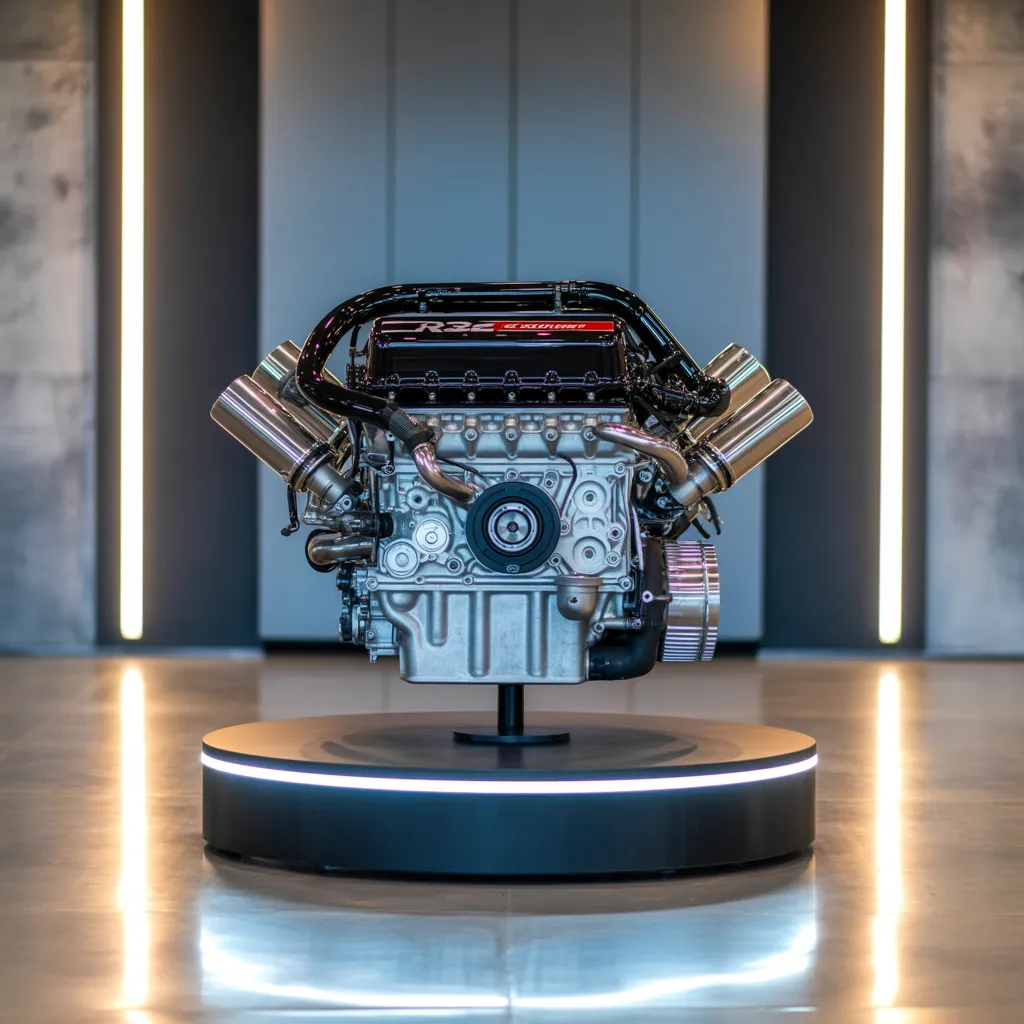
Essential Fitment Criteria for the R32 Engine
When evaluating the purchase of an R32 engine, potential buyers must recognize that compatibility is fundamental for peak performance. Initially, they should confirm that the engine matches the vehicle's specific model and year. Variations in engine specifications can cause performance issues or installation challenges. Furthermore, the drivetrain compatibility is critical; the R32 engine must be compatible with the differential and transmission systems to operate properly.
Furthermore, customers should consider the electronic components. Suitability for the car's wiring system and ECU is necessary for optimal performance. Any discrepancies can lead to significant technical difficulties. Moreover, assessing physical measurements is important, as engine mounts and space constraints can affect proper installation.
Furthermore, verifying support for aftermarket components is crucial for people aiming to upgrade their vehicle's capabilities. By evaluating these aspects, potential buyers will be well-positioned to make a well-informed choice about their R32 engine acquisition.
Main Signs of a Healthy R32 Engine
When determining the overall state of an R32 engine, important factors to consider are compression test results and an oil leak assessment. A compression test uncovers the engine's mechanical condition and power potential, while inspecting for oil leaks may reveal possible mechanical issues. Collectively, these inspections deliver critical insights into the engine's long-term reliability and durability.
Results of Compression Testing
A thorough compression test is essential for assessing the integrity of an R32 engine, as it delivers critical insights into its overall condition. This test measures the compression generated in each cylinder, revealing the engine's capability to maintain adequate compression levels. In most cases, well-functioning R32 engines should demonstrate consistent compression values across all cylinders, generally ranging between 140 to 180 psi. Notable variations may signal problems such as worn piston rings, cylinder head damage, or valve damage. Low compression in one or more cylinders can reveal necessary repairs, compromising general performance and engine life. Consequently, potential purchasers should prioritize compression test results when assessing an R32 engine to guarantee they are investing wisely.
Oil Leak Assessment
Examining for oil leaks functions as a crucial step in evaluating the health of an R32 engine. In many cases, leaks can suggest internal concerns like damaged seals, gaskets, or internal components. Conducting a visual examination is key; check for oil deposits around the engine block, oil pan, and valve covers. Be mindful of any pooled or leaking oil below the vehicle, as this can point to a greater mechanical concern. Using a flashlight can assist in uncovering concealed leaks. Furthermore, monitoring the oil level consistently can reveal whether oil is being burned or depleted unexpectedly. Tackling oil leaks without delay can reduce the risk of further harm and ensure the engine runs smoothly, making it a significant element to evaluate when purchasing an R32 engine.
Analyzing R32 Engine Performance Metrics
When assessing the R32 engine, understanding power output ratings is essential for appraising its performance capabilities. Equally important is analyzing torque characteristics, as these measurements directly impact driving experience and responsiveness. A thorough examination of both factors delivers important information about the engine's total capability and adaptability across multiple applications.
Output Power Ratings
Power output ratings function as an essential standard for evaluating the capabilities of the R32 engine. These ratings indicate the engine's potential to deliver horsepower, a key consideration for both enthusiasts and prospective buyers. Typically, the R32 engine is known for its impressive power delivery, frequently surpassing 250 horsepower, based on the specific model and modifications. Understanding these ratings helps potential buyers assess whether the engine satisfies their power requirements. Moreover, contrasting performance numbers among different R32 versions can reveal significant differences that may impact buying choices. Prospective owners should additionally evaluate the engine's state, since deterioration can impact output. In the end, precise power output figures offer valuable information into the general performance capacity and possibilities of the R32 engine.
Torque Characteristics Analysis
Torque specifications hold considerable importance in determining the full potential of the R32 engine, building upon the power output figures mentioned earlier. Measured in pound-feet or Newton-meters, torque demonstrates how effectively the engine can perform at multiple RPM levels. The R32 engine typically exhibits a broad torque curve, improving drivability and overall responsiveness, particularly during routine driving situations. Peak torque is typically generated at reduced RPMs, offering robust acceleration and sharper throttle feedback. Drivers passionate about performance regularly prefer engines that hold torque across an extended RPM range, as this contributes to a more engaging driving experience. Therefore, comprehending torque figures is critical when assessing an R32 engine's performance and fit for particular driving requirements.
What You Need to Know About Maintenance Records
How important are maintenance records when evaluating the purchase of an R32 engine? Maintenance records supply important details into thorough guide the engine's past and current condition. They detail routine services, repairs, and any potential issues that were resolved over time. A thoroughly recorded service history indicates that the previous owner prioritized care and attention, which can lead to increased longevity and performance.
In contrast, absent or partial documentation may indicate carelessness or lingering issues, serving as warning signs for interested buyers. It's important to verify that routine maintenance tasks—such as timing belt replacements, oil changes, and fluid inspections—were performed at recommended intervals. Buyers should also look for any recorded changes or enhancements within the records, as these can impact performance and reliability. Ultimately, detailed maintenance documentation functions as a dependable guide for reviewing the engine's prior condition, giving confidence to those considering a purchase.
How to Check Your R32 Engine's Physical Condition
When inspecting an R32 motor's physical condition, it is critical to perform a comprehensive examination to detect any indicators of wear or deterioration. Begin by examining the engine housing for rust, cracks, or corrosion, which can suggest negligence or significant problems. Inspect the oil for signs of contamination; any milky coloration may signal a failed head gasket. Check the timing belt and secondary belts for fraying or cracks, as these elements are vital for engine performance.
Evaluate the state of connections and hoses, searching for signs of deterioration or leaks. A visual inspection of the exhaust assembly can expose holes or rust that might compromise engine performance. Pay attention to odd noises when firing up the engine, as they might suggest internal engine issues. To conclude, inspect the attachment points for any misalignment indicators, which can signal past accidents or improper installation. This comprehensive approach will assist in assessing the engine's overall reliability and lifespan.
Important Questions to Ask the Seller?
Assessing the vendor's knowledge and transparency is essential when thinking about purchasing an R32 engine. Interested parties should open by questioning about the engine's past, including earlier changes and upkeep records. Ask regarding the mileage and any identified problems that could influence performance. Discussions concerning the engine's warranty or return policy can also shed light on the vendor's assurance in the item being offered.
It is essential to inquire whether the engine has undergone any rebuilds or repairs, as well as the details about which parts were utilized. Additionally, buyers should seek clarification on the motivation behind the seller's decision to sell the engine, as this information may uncover warning signs. In addition, seeking references or ratings from former clients can assist in assessing the seller's trustworthiness and standing. Such questions are vital for reaching a well-informed conclusion and guaranteeing a positive buying experience.
Exploring R32 Engine Costs and Worth
Determining the price of the R32 engine calls for close attention to various factors that influence its value. Key elements include the engine's mileage, condition, and service history. A well-maintained engine with lower mileage typically commands a higher price as a result of its consistent performance and durability. Furthermore, sourcing an engine from a reputable seller can enhance confidence in the purchase.
Market demand also plays a crucial part in determining prices; as enthusiasts seek R32 engines, pricing can vary depending on availability and popularity. The overall age of the engine, along with any modifications performed, can additionally impact its value. For example, aftermarket improvements may raise desirability, but they can also create complications in reliability assessments.
Ultimately speaking, detailed analysis of existing market patterns and equivalent listings is vital for identifying a competitive price. Shoppers ought to align their budget with the engine's features to confirm a rewarding acquisition for their automotive project.
Frequently Asked Questions
What Are Typical Modifications for R32 Engines?
Popular enhancements for the R32 engine include installing a upgraded turbocharger, improving the exhaust setup, tuning the ECU, mounting a performance-grade intercooler, and enhancing the air intake system, all aimed at increasing horsepower and overall performance.
How Can I Verify That the Engine Is Original?
To establish whether an engine is original, it is important to examine serial numbers, verify the presence of manufacturer stamps, and cross-reference components with official specifications. Additionally, reviewing documentation and prior ownership records can offer additional verification of authenticity.
Have There Been Any Specific Recalls for R32 Engines?
Yes, there have been notable recalls for R32 engines, primarily addressing issues related to emissions controls and fuel system components. Interested purchasers ought to confirm recall status via official manufacturer resources or service records to ensure compliance.
What Is the Typical Lifespan of an R32 Engine?
The average lifespan of an R32 engine generally falls between 150,000 and 200,000 miles, depending on driving conditions and maintenance. Regular servicing can greatly extend its longevity and performance with continued use.
Can an R32 Engine Be Swapped Into Another Model?
Absolutely, an R32 engine can be transplanted into a different model, though compatibility varies based on the vehicle's make and modifications required. Comprehensive research and the right adjustments are vital to achieving successful integration and top-tier performance.